In Singapore’s humid tropical climate, pests pose serious threats to health, homes, and the environment. However, eco-conscious pest control offers a smarter alternative. Integrated Pest Management (IPM) and the new SS 721:2025 standard effectively eliminate disease carriers, allergens, and termites without relying on harsh chemicals. From NEA-compliant solutions to Aardwolf Pestkare’s expert services, you can discover the benefits, techniques, and tips for achieving safer, greener living. Your guide to pest-free peace begins here.
Key Takeaways:
- Eco-conscious pest control in Singapore uses Integrated Pest Management (IPM) and Singapore Standard SS 721:2025 standards, minimizing chemicals for safer homes and environments.
- It eliminates disease-carrying pests, reduces allergens, and prevents food contamination, boosting public health, hygiene, and NEA compliance.
- Professional pest control services like termite control protect structural integrity, ensuring long-term safety and sustainable pest control without harsh toxins.
What is Eco-Conscious Pest Control?
Eco-conscious pest control is all about smart, planet-friendly ways to keep pests at bay without dousing everything in harsh chemicals. It focuses on eco-friendly pest control and green pest control methods that protect both homes and the environment in Singapore. These approaches minimize harm to people, pets, and nature while effectively managing pests.
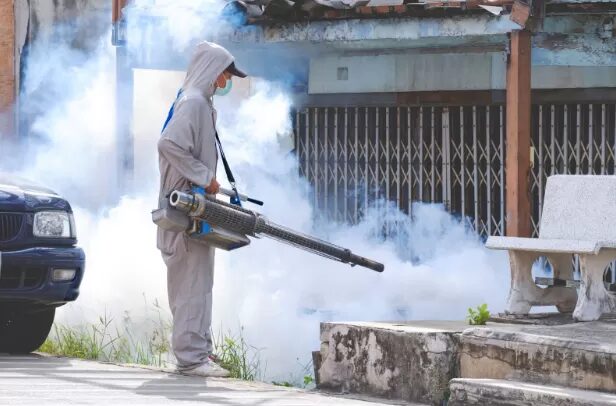
At its core, integrated pest management (IPM) serves as a multi-method approach combining various strategies like biological controls. IPM emphasizes proactive pest management through pest prevention, site inspection, and continuous monitoring to address root causes elimination of infestations. In Singapore, this aligns with standards from the National Environment Agency and Singapore Standard SS 721.
Biological controls and low-toxicity alternatives play key roles, such as using Bacillus thuringiensis (Bt) for mosquito control or diatomaceous earth against cockroaches. Sustainable pest control includes habitat modification, like sealing entry points, and natural options such as neem oil or pyrethrum. These reduce chemical dependency and support environmental stewardship.
Professional pest control services in Singapore apply customised treatments based on pest risk assessment, targeting issues like rodents, mosquitoes, or Termites with targeted applications. This industry transformation promotes health benefits, prevents food contamination, and ensures regulations compliance for safer living.
Why Green Pest Control Matters in Singapore
In humid Singapore, green pest control isn’t just nice, it’s essential for tackling pest infestation while protecting our public health and environment.
Traditional methods often rely on harsh chemicals that contribute to air pollution and trigger respiratory problems. Green pest control uses low-toxicity alternatives like diatomaceous earth and neem oil, reducing these risks in densely populated areas.
It supports public health by minimizing food contamination from pests like cockroaches and rodents. Eco-friendly pest control prevents diseases spread by mosquitoes and rats, aligning with food safety standards set by the National Environment Agency.
Pest control operators like ES ITM drive industry transformation through IPM principles, promoting environmental stewardship. They focus on site inspection, sealing entry points, and biological controls for sustainable pest control results in pest control singapore.
Key Benefits for Health and Safety
Switching to professional pest control brings a ton of health and safety perks that go way beyond just fewer bugs via pest management. It cuts down risks from pests like cockroaches, rodents, and mosquitoes that carry diseases. Families in Singapore enjoy cleaner homes with fewer allergens and pathogens.
Regular inspections and pest risk assessment spot issues early, preventive measures preventing infestations before they spread. These preventive measures protect public health by addressing root causes. Experts recommend them as part of proactive pest management.
Pest management services ensure regulations compliance with bodies like the National Environment Agency and Singapore Standard SS 721. This ties into food safety by reducing contamination risks from pests in kitchens. Eco-friendly pest control aligns with these standards for safer living.
- Reduces respiratory problems from pest droppings and dust.
- Prevents food contamination through targeted applications.
- Supports IPM principles for long-term health benefits.
Health Protection from Common Pests
Pests such as cockroaches, rats, and mosquitoes trigger allergies and spread illnesses. Pest prevention through sealing entry points keeps them out of homes. This simple step boosts indoor air quality and family well-being.
Mosquito control using biological controls like guppies in water traps cuts breeding sites. Rodent mesh as physical barriers stops rats from entering. These methods lower disease transmission risks in humid Singapore climates.
Termite control with termite baiting and termite treatment avoids toxic spreads that harm health. Customised treatments target specific threats without broad chemical use. Residents see fewer bites and infections from fleas or bedbugs.
Food Safety and Hygiene Standards
Food contamination from pests like cockroaches ruins meals and causes stomach issues. Preventive measures like site inspections identify entry points in food areas. This keeps kitchens compliant with hygiene rules.
IPM uses low-toxicity alternatives such as diatomaceous earth or neem oil for safe cleaning. Habitat modification removes food sources for rodents and insects. Businesses meet food safety standards through these practices.
Pest monitoring with pheromone traps ensures early detection. This proactive approach supports pest management services certified by the Singapore Pest Management Association (SPMA). Homes and eateries stay hygienic and safe.
Eco-Friendly Practices for Lasting Safety
Green pest control relies on natural predators and biopesticides like bacillus thuringiensis. These reduce chemical dependency and protect beneficial insects. Singapore’s push for sustainable pest control enhances overall safety.
A multi-method approach with mechanical solutions and botanical pesticides minimizes risks. Continuous monitoring via smart tools tracks pest activity without harm. This fosters environmental stewardship alongside health gains.
Eliminates Disease-Carrying Pests
Pests like mosquitoes and rodents are more than annoying. They carry nasty diseases we can prevent with targeted pest control.
In Singapore, mosquito control targets vectors of dengue and Zika. Professional services use integrated pest management or IPM to reduce health risks effectively.
Rodents, cockroaches, fleas, flies, and biting midges also spread illness. These pests contaminate food and cause respiratory problems through allergens. Sustainable pest control eliminates them without harming the environment.
Experts recommend site inspections and customised treatments for pest infestations. This approach follows IPM principles, promoting public health in homes and businesses across Singapore.
Prevents Allergens and Improves Air Quality
Cockroaches and dust from pests can trigger allergies and breathing issues, but eco-friendly methods clear the air fast. Professional pest control in Singapore uses integrated pest management to target these sources without harsh chemicals. This approach reduces respiratory problems linked to pest waste and debris.
Sealing entry points and installing physical barriers blocks cockroaches, rodents, and mosquitoes from invading homes. Experts recommend installing physical barriers like rodent mesh around doors and vents during site inspections. These preventive measures cut down on allergens that pollute indoor air.
Habitat modification eliminates breeding spots, such as removing standing water for mosquitoes or fixing leaks for cockroaches. Green pest control in Singapore favors low-toxicity alternatives like diatomaceous earth and neem oil over traditional sprays. Regular inspections ensure ongoing air quality improvements.
Pest control Singapore services follow IPM principles from the National Environment Agency, promoting sustainable pest control. This links to public health by minimizing air pollution from pest infestations. Families enjoy cleaner living spaces with fewer allergy triggers.
Reduces Food Contamination Risks
Nobody wants pests messing with their meals—professional pest control services slash food contamination risks big time. Cockroaches often carry bacteria like salmonella on their bodies, spreading it to food surfaces during cockroach infestations. In Singapore homes and eateries, this poses real threats to food safety and hygiene.
Pest management services in Singapore comply with National Environment Agency guidelines to tackle cockroach infestation. They use integrated pest management or IPM principles, starting with site inspection to spot entry points and breeding areas. This ensures customised treatments that target root causes without excess chemicals.
Experts recommend low-toxicity alternatives like diatomaceous earth or biological controls to avoid residues on food prep zones. Regular inspections and sealing entry points form preventive measures against rats cockroaches. These steps align with Singapore Standard SS 721 for safe pest control.
By focusing on eco-friendly pest control, services reduce chemical dependency reduction and promote proactive pest management. This protects public health while meeting NEA compliance standards. Homeowners gain peace of mind knowing their kitchens stay contamination-free.
Protects Structural Integrity from Termites
Termites quietly chomp through your home, but expert termite control stops them in their tracks. In pest control Singapore, professionals like Aardwolf Pestkare use targeted methods to safeguard buildings. This prevents costly damage to wooden structures and foundations.
Site inspection forms the first step in effective defense. Experts identify active colonies and vulnerable areas, such as damp wood or soil contact points. This proactive pest management reveals hidden threats before they spread.
Termite baiting and termite treatment follow, using low-toxicity alternatives that target the colony’s core. Aardwolf Pestkare applies customised treatments tailored to your property’s layout and infestation level. These eco-friendly solutions align with integrated pest management principles.
Preventive measures like sealing entry points and regular inspections ensure long-term protection. Combined with physical barriers, they reduce chemical dependency and promote sustainable pest control. Homeowners in Singapore enjoy preserved structural integrity without environmental harm.
Techniques and Tools in Green Pest Control
Green pest control packs a punch with nature-inspired tools that work smarter, not harder. These methods form the backbone of eco-friendly pest control in Singapore, aligning with IPM principles from the National Environment Agency. They reduce chemical use while targeting pests effectively.
Biological controls like Bacillus thuringiensis, or Bt, target caterpillars and mosquito larvae without harming beneficial insects. Natural predators and biopesticides introduce helpful organisms to manage infestations naturally. This approach supports public health by minimizing food contamination risks from cockroaches and rodents.
Tools such as diatomaceous earth and neem oil provide low-toxicity alternatives for termite control and cockroach infestations. Pheromone traps lure pests like rats and cockroaches into capture without broad spraying. Mechanical solutions, including rodent mesh and sealing entry points, prevent access during site inspections.
In mosquito control, guppies eat larvae in water bodies, offering a simple sustainable pest control fix against Zika and Dengue. Pyrethrum and botanical pesticides deliver quick results from plant sources. Professional pest control services in Singapore customize these for pest prevention and long-term habitat modification.
Integrated Pest Management (IPM) Explained
Integrated Pest Management (IPM) is the gold standard in pest management, blending prevention, monitoring, and control for lasting results. This multi-method approach follows IPM principles to tackle pests like cockroaches, rodents, and mosquitoes fleas without over-relying on chemicals.
It starts with root causes elimination, such as sealing entry points and modifying habitats. For instance, using rodent mesh or physical barriers prevents rats and cockroaches from invading homes in Singapore.
Continuous smart monitoring come next, often with IoT devices for pest monitoring. Technicians conduct site inspections and set up pheromone traps to track infestations early.
Control uses low-toxicity alternatives like diatomaceous earth, neem oil, or bacillus thuringiensis for mosquito control. This aligns with Singapore Standard SS 721:2025, promoting sustainable pest control and eco-friendly pest control in pest control Singapore.
Background on Singapore Standard SS 721: 2025
Singapore Standard SS 721:2025 sets the bar for top-tier pest control practices across the board. Developed by the Singapore Standards Council, it works with the Singapore Pest Management Association (SPMA) and National Environment Agency (NEA) to ensure regulations compliance.
The standard mandates IPM principles for professional pest control services. It covers pests like mosquitoes, fleas, bedbugs, termites, and rodents in homes and businesses.
By linking to proactive pest management, it supports public health and food safety. Operators must focus on pest prevention and customised treatments to avoid issues like food contamination or respiratory problems from pests.
This framework guides the environmental services industry toward industry transformation. It ensures pest control Singapore meets high standards for environmental stewardship.
Key Features of the Standard
This standard shines with features focused on smart, low-impact pest strategies. It emphasizes performance measures and a quality assessment framework for reliable results.
Risk-based assessment identifies pest risk assessment priorities, like bedbugs termites infestation or termite control. This leads to targeted applications instead of blanket spraying.
- Use biological controls such as guppies for mosquito larvae or natural predators.
- Apply biopesticides like pyrethrum or botanical pesticides.
- Employ mechanical solutions including termite baiting and habitat modification.
Central to it all is chemical dependency reduction, promoting preventive measures and regular inspections. These align with IPM for effective termite treatment and rodent control.
Why This Matters for Eco-Conscious Living
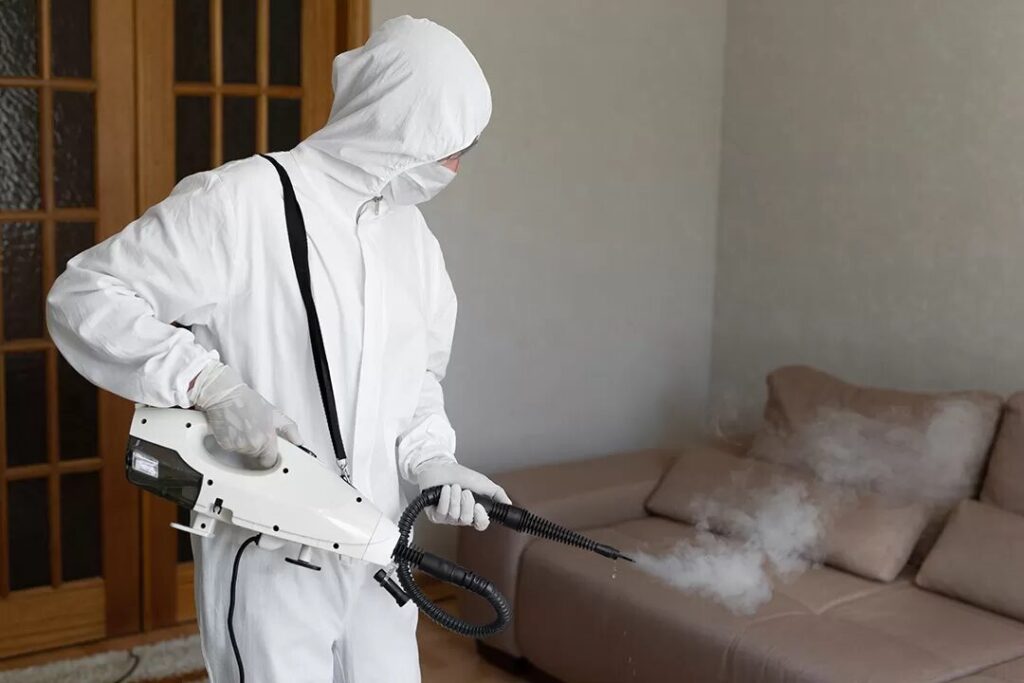
Following this standard means safer homes and a greener Singapore for everyone. It drives eco-friendly solutions in green pest control, reducing air pollution from harsh chemicals.
For pest control operators and service buyers, it offers health benefits and cost-effectiveness. Families avoid pest infestation risks like those from rats, cockroaches, or bedbugs.
The environmental services industry benefits from Environmental Services Industry Transformation Map (ES ITM) toward sustainability. Practices like pest monitoring and sealing entry points support long-term pest prevention.
Overall, it fosters pest management services that protect public health while minimizing environmental harm. This approach ensures eco-conscious living through professional, responsible pest control Singapore.
Steps to Implement Sustainable Pest Control
Getting sustainable pest control rolling is straightforward. Start with a solid plan based on IPM principles. This approach reduces chemical use while targeting pests effectively.
Pest risk assessment comes first. Identify common threats like cockroaches, rodents, and mosquitoes in your Singapore home or business. Experts recommend evaluating factors such as location and past infestations.
Follow up with a thorough site inspection. Look for signs of pests, such as droppings or damage. This step uncovers root causes of infestations.
Incorporate preventive measures early. These build long-term protection without harsh chemicals. Regular follow-through ensures lasting results.
Conduct a Pest Risk Assessment
Begin sustainable pest control with a pest risk assessment. Map out high-risk areas in your property, focusing on entry points for rats, cockroaches, and mosquitoes. This proactive step aligns with IPM for eco-friendly outcomes.
Consider local Singapore conditions like humidity that boost pest activity. Involve pest control operators certified by the Singapore Pest Management Association. They provide customized insights for termite control and more.
Use simple tools like checklists to note vulnerabilities. Address public health risks from pests carrying diseases. This assessment guides all future actions.
Perform a Detailed Site Inspection
A site inspection reveals hidden pest issues. Check kitchens for cockroach signs and gardens for mosquito breeding spots. Professionals use this to plan customised treatments.
Inspect attics and basements for termites or rodents. Note conditions like standing water that attract fleas and bedbugs. This informs targeted applications of low-toxicity options.
Document findings for ongoing reference. Link inspections to Singapore Standard SS 721 for quality pest management. Regular checks prevent escalation.
Seal Entry Points and Apply Physical Barriers
Sealing entry points blocks pests at the source. Install rodent mesh on drains and gaps around doors. This mechanical solution supports green pest control.
Use caulk for cracks and weather stripping for windows. These physical barriers stop cockroaches and rats effectively. Combine with habitat modification for best results.
In Singapore homes, focus on perimeter treatments. This reduces reliance on sprays, promoting chemical dependency reduction. Inspect seals during routine maintenance.
Introduce Natural Predators and Biological Controls
Harness natural predators for eco-friendly pest control. Introduce guppies to water features for mosquito control. Bacillus thuringiensis targets larvae safely. Leading companies like Rentokil Singapore from Rentokil Initial, Lumnia, Rat Riddance Connect, and In2care with myRentokil platform promote these as per CNA and WorldAtlas insights.
Use biological controls like predatory insects against aphids or mites. These fit IPM (Integrated Pest Management) principles and minimize environmental impact. Ideal for gardens in Singapore.
Deploy pheromone traps for monitoring cockroaches and rodents. This non-toxic method supports pest prevention without harming beneficial wildlife.
Implement Preventive Measures and Regular Inspections
Adopt preventive measures like proper waste management. Keep areas dry to deter mosquitoes and cockroaches. These habits foster proactive pest management.
Schedule regular inspections every few months. Track changes with smart monitoring tools. This ensures early detection of termite or bedbug issues.
Combine with low-toxicity alternatives like diatomaceous earth or neem oil. Follow National Environment Agency (NEA) guidelines for compliance. This multi-method approach sustains safe living.
Common Pests in Singapore and Eco-Friendly Solutions
Singapore’s pests like bedbugs, termites, cockroaches, fleas, and mosquitoes need tailored eco-solutions. These pests thrive in the tropical climate and urban settings. Integrated pest management (IPM) principles guide sustainable pest control in Singapore.
Cockroaches spread bacteria that risk food contamination and cause respiratory problems. Bedbugs and fleas trigger itchy bites and allergies. Termites damage wooden structures silently over time.
Mosquitoes pose public health threats by carrying diseases like Zika and Dengue. Rats and rodents chew wires and contaminate areas. Professional pest control uses eco-friendly pest control methods to target these issues.
- Conduct site inspection to identify entry points.
- Apply customised treatments like biological controls.
- Implement preventive measures such as sealing entry points.
Targeting Cockroaches and Fleas with Biological Controls
Cockroach infestation requires green pest control to avoid chemical overuse. Biological controls introduce natural predators or biopesticides. This reduces chemical dependency while ensuring food safety.
For fleas, diatomaceous earth dehydrates them naturally without toxins. Neem oil and pyrethrum from plants disrupt flea life cycles. Experts recommend combining these with habitat modification.
Pest monitoring tracks progress through pheromone traps. Regular inspections maintain results. This multi-method approach supports pest prevention in homes.
Effective Termite Control Using Baiting Systems
Termite control in Singapore favors termite baiting over sprays. Baits use slow-acting ingredients that colonies share, eliminating the queen. This method aligns with sustainable pest control.
Place stations during pest risk assessment after site inspection. Monitor weekly for activity. It minimizes environmental impact compared to soil treatments.
Low-toxicity alternatives like these promote root causes elimination. Pair with physical barriers such as concrete slabs. Continuous monitoring ensures long-term protection.
Managing Mosquitoes and Rodents Eco-Friendly Ways
Mosquito control employs Bacillus thuringiensis (Bt), a bacteria toxic only to larvae. Introduce guppies in water containers to eat larvae. These natural predators fit IPM principles.
For rats and rodents, install rodent mesh and mechanical solutions. Botanical pesticides target nests safely. Smart monitoring detects early signs.
Proactive pest management includes clearing breeding sites. This cuts pest infestation risks and aids environmental stewardship. Services follow Singapore standards for safety.
Health, Hygiene, and NEA Compliance
Staying NEA-compliant keeps your space healthy, hygienic, and pest-free effortlessly. The National Environment Agency in Singapore sets strict standards like Singapore Standard SS 721:2025 for pest management services to protect public health. Compliance ensures professional pest control operators follow guidelines that minimize health risks from pests like cockroaches, rodents, and Mosquitoes.
Pest infestations can lead to food contamination and respiratory problems through allergens and pathogens. NEA compliance mandates regular inspections and site assessments to identify entry points and root causes. This proactive approach supports food safety in homes, restaurants, and commercial spaces.
Services adhering to Singapore Standard SS 721:2025 and standards from Singapore Standards Council use low-toxicity alternatives and IPM principles. Examples include sealing entry points with rodent mesh and deploying pheromone traps for monitoring. These measures reduce chemical dependency while maintaining hygiene standards set by the Singapore Pest Management Association (SPMA).
- Conduct pest risk assessments during initial site inspections.
- Implement customized treatments based on infestation types, such as termite baiting or mosquito control.
- Perform continuous monitoring to ensure long-term pest prevention.
Long-Term Benefits of Professional Services
Pro services save money and stress with long-term pest protection. Professional pest control in Singapore targets root causes of infestations like Termites, preventing recurring issues that DIY methods often miss. This approach reduces the need for repeated treatments over time.
Opting for professional pest control proves cost-effective compared to battling ongoing pest infestation. For instance, unchecked cockroaches or termites can lead to expensive repairs from structural damage or food contamination. Experts use customised treatments and preventive measures like sealing entry points to avoid these costs.
Proactive pest management and continuous monitoring form the core of these services. Regular inspections identify risks early, such as rodent entry points or mosquito breeding sites. This ongoing vigilance supports eco-friendly pest control and aligns with Singapore standards like SS 721.
Health benefits stand out with low-toxicity alternatives and IPM principles, aligned with the Environmental Services Industry Transformation Map (ES ITM) by Enterprise Singapore. Professionals minimize chemical use, reducing risks of respiratory problems from pests like rats or cockroaches. Families enjoy safer homes through sustainable pest control that protects public health without environmental harm.
Choosing the Right Pest Control Partner
Pick a partner like Aardwolf Pestkare, Rentokil Singapore, or Rentokil Initial for reliable, eco-smart pest control in Singapore. Companies such as Aardwolf Pestkare, Lumnia, Rat Riddance Connect, and members of the Singapore Pest Management Association (SPMA) focus on regulations compliance under the National Environment Agency guidelines. They offer customised treatments tailored to your needs.
Look for providers that follow Singapore Standard SS 721 and emphasize integrated pest management (IPM) principles. These firms conduct thorough site inspections and pest risk assessments to identify root causes. This approach ensures sustainable pest control without unnecessary chemicals.
Choose partners offering eco-friendly pest control options like biological controls, diatomaceous earth, and low-toxicity alternatives. They prioritize preventive measures such as sealing entry points and habitat modification. Regular inspections and continuous monitoring help maintain pest-free environments.
- Verify SPMA membership for quality assurance.
- Ask about IPM strategies for rodents, cockroaches, and mosquitoes.
- Confirm use of green pest control methods like termite baiting.
- Ensure performance measures align with your public health goals.
Verifying Regulations Compliance
Ensure your pest control Singapore partner adheres to National Environment Agency standards and Singapore Standard SS 721. Compliant operators use risk-based assessments and targeted applications to minimize environmental impact. This protects against food contamination and health risks like respiratory problems.
Check for certifications in the quality assessment framework for pest control operators. Reliable firms document their chemical dependency reduction efforts and promote proactive pest management. They focus on multi-method approaches over broad chemical sprays.
Evaluating Customised Treatments
Top providers like Aardwolf Pestkare deliver customised treatments based on pest infestation specifics, such as cockroach infestations or Termites control. They employ IPM principles including mechanical solutions like rodent mesh and physical barriers, using IoT smart monitoring tools. This targets pests like rats, cockroaches, Mosquitoes, fleas, bedbugs, and Termites effectively.
Discuss options for eco-friendly solutions such as neem oil, pyrethrum, pheromone traps, and biopesticides like Bacillus thuringiensis. For mosquito control, they might introduce guppies or natural predators. These methods support environmental stewardship and long-term pest prevention.
Benefits of Professional Partnerships
Partnering with certified pest management services ensures health benefits and cost-effectiveness through root causes elimination. Professionals use smart monitoring and pest monitoring tools for ongoing protection. This reduces reliance on harsh chemicals and aids industry transformation in environmental services.
Service buyers gain from termite treatment innovations like baiting systems, In2care, myRentokil, and botanical pesticides. Such collaborations promote food safety, prevent air pollution from pesticides, and foster sustainable pest control in homes and businesses, as highlighted by CNA and WorldAtlas.
Frequently Asked Questions
Got questions about pest control? We’ve got answers on keeping things safe and green in Singapore.
Pest control Singapore addresses common concerns like Termites control, eco-friendly pest control, and IPM (Integrated Pest Management). These services help residents manage pests without harming the environment or health.
From cockroach infestations to Mosquitoes control, professional pest control ensures compliance with National Environment Agency (NEA) guidelines. Learn how sustainable pest control fits urban living here.
Singapore-specific issues, such as high humidity fostering pests, demand tailored approaches from the Singapore Pest Management Association (SPMA). Experts recommend proactive pest management for long-term results.
How does pest control support safe living in Singapore?
Pest control in Singapore supports safe living by preventing infestations and promoting healthier homes.
Green pest control methods reduce risks like food contamination from cockroaches and rodents. Services focus on pest prevention, such as sealing entry points and regular inspections, to avoid respiratory problems from pests.
Compliance with National Environment Agency regulations ensures safe practices. Professional pest control uses low-toxicity alternatives, protecting families and public health in dense urban areas.
Customised treatments start with site inspection and pest risk assessment. This proactive approach eliminates root causes, supporting food safety and overall well-being.
What makes pest control eco-conscious?
Eco-conscious pest control uses IPM and natural methods to minimize environmental harm.
Integrated pest management, or IPM, follows principles like habitat modification and continuous monitoring. It reduces chemical dependency through a multi-method approach, including biological controls.
Natural options like diatomaceous earth, neem oil, and pyrethrum serve as botanical pesticides. Biological controls introduce natural predators, such as guppies for mosquito larvae, promoting environmental stewardship.
Sustainable pest control involves mechanical solutions like pheromone traps and physical barriers. These eco-friendly solutions cut air pollution from chemicals while managing rats, cockroaches, mosquitoes, fleas, bedbugs, and termites effectively.
Why is termite control essential for safety?
Termite control is key to safety because Termites destroy structures silently over time.
Termites compromise structural integrity, leading to costly damage in Singapore’s humid climate, aligning with Singapore Standard SS 721:2025. Termite baiting and regular inspections prevent hidden infestations, aligning with Singapore Standard SS 721.
Professional services offer targeted applications and IoT-enabled smart monitoring for proactive pest management. This maintains home safety and supports the quality assessment framework for pest control operators.
Combining preventive measures like rodent mesh with termite treatment ensures long-term protection. Residents benefit from risk-based assessments and customised treatments for peace of mind.
Frequently Asked Questions
How does Pest Control Singapore support safe and eco-conscious living through integrated pest management?
Pest Control Singapore supports safe and eco-conscious living by employing Integrated Pest Management (IPM) techniques, which minimize chemical use and prioritize prevention, monitoring, and targeted treatments. At Aardwolf Pestkare, our IPM approach ensures effective pest control, like termite management against Zika and Dengue carriers, while protecting your family’s health and the environment.
What eco-friendly methods does Pest Control Singapore use for termite control to promote safe living?
Pest Control Singapore supports safe and eco-conscious living with non-toxic, baiting systems and biological controls like Bacillus thuringiensis (Bt) for termites, reducing environmental impact. Aardwolf Pestkare’s expertise in these methods eliminates termite threats without harmful residues, safeguarding homes and ecosystems.
How does Pest Control Singapore ensure chemical safety in treatments for eco-conscious households?
Pest Control Singapore supports safe and eco-conscious living by using low-toxicity, biodegradable pesticides approved by Singapore Standards Council and Enterprise Singapore for residential use and applying them precisely to avoid contamination. Aardwolf Pestkare’s trained technicians follow strict protocols, offering worry-free pest solutions alongside comprehensive services like rodent and cockroach control.
In what ways does Pest Control Singapore promote sustainability in pest management practices?
Pest Control Singapore supports safe and eco-conscious living through sustainable practices outlined in the Environmental Services Industry Transformation Map (ES ITM), such as heat treatments, pheromone traps, and habitat modifications that reduce pest populations naturally. Aardwolf Pestkare integrates these with expert termite control to foster long-term environmental harmony.
How does professional Pest Control Singapore service enhance home safety while being eco-friendly?
Pest Control Singapore, comparable to services from Rentokil Singapore and Rentokil Initial using tools like Lumnia, Rat Riddance Connect, In2care, and myRentokil, supports safe and eco-conscious living by conducting thorough inspections and customized, green treatments that prevent pest-related health risks like allergies or diseases. Aardwolf Pestkare’s range of solutions, from bed bug elimination to ant control, ensures your home remains a healthy, sustainable space.
What certifications does Pest Control Singapore hold to guarantee eco-conscious and safe pest control?
Pest Control Singapore supports safe and eco-conscious living with certifications from NEA (National Environment Agency), as reported by CNA and noted in WorldAtlas, and adherence to green standards, ensuring all treatments meet rigorous safety and sustainability benchmarks. Aardwolf Pestkare’s licensed professionals deliver reliable termite control and other pest services you can trust.