The bathroom is one of the most used rooms in any home, making its plumbing system work hard every day. From showers and sinks to toilets, the constant use can lead to frustrating and often messy problems. Clogs, leaks, and low water pressure are common issues that can disrupt your routine and lead to costly repairs. Fortunately, proactive maintenance can help you avoid many of these headaches.
By adopting a few simple habits and performing regular checks, you can keep your bathroom plumbing running smoothly. This guide offers practical tips to help you prevent common issues before they start.
Guard Your Drains Against Clogs
Slow-draining sinks and showers are usually the first sign of a developing clog. Hair, soap scum, and other debris are the primary culprits. Preventing these materials from entering your pipes is the most effective way to avoid blockages.
Simple Preventive Measures
Install drain guards or screens over all your bathroom drains, including the sink, shower, and tub. These simple devices catch hair and other large particles, making them easy to remove and discard. Make it a habit to clean these screens weekly.
It’s also wise to be mindful of what goes down the sink. Avoid pouring grease, oils, or thick substances down the drain, as they can solidify and create stubborn blockages. Once a month, you can flush your drains with hot water to help dissolve soap scum and other buildup that has managed to get past the screen.
Maintain Your Toilet Properly
A malfunctioning toilet can be a major inconvenience and a source of significant water waste. Leaks and clogs are the most frequent toilet-related plumbing problems, but most are preventable with careful use and regular inspections.
Tips for a Trouble-Free Toilet
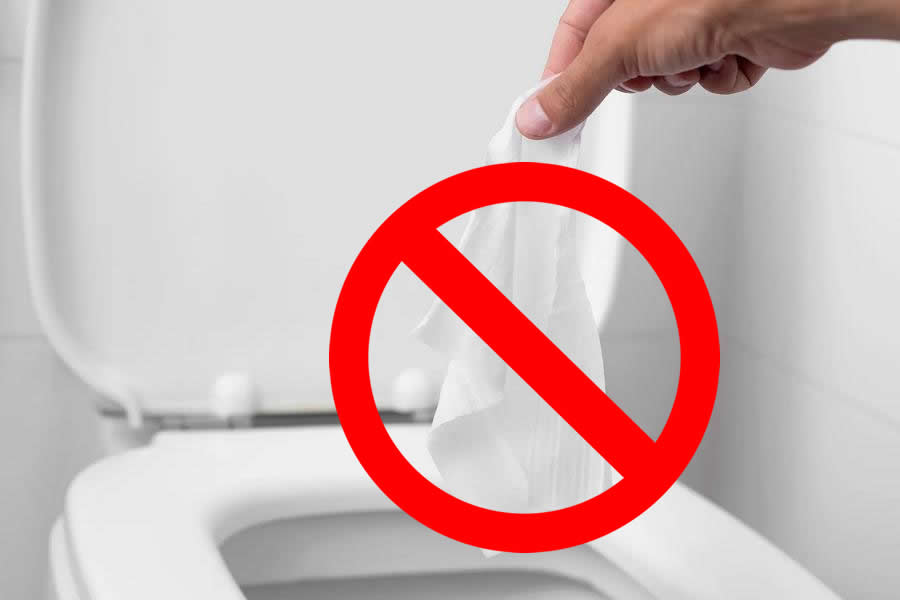
The most important rule is only to flush human waste and toilet paper. Items like cotton swabs, dental floss, wipes (even those labeled “flushable”), and paper towels do not break down properly and are a leading cause of severe clogs. Keep a trash bin in the bathroom to encourage proper disposal of these items.
Periodically check for silent leaks in your toilet tank. A simple way to do this is to add a few drops of food coloring to the tank water. Wait about 15-20 minutes without flushing. If you see colored water appear in the toilet bowl, you have a leak, which is often caused by a faulty flapper. Replacing the flapper is an inexpensive fix that can save a significant amount of water.
Address Leaks Promptly
Even a small drip from a faucet or showerhead can waste hundreds of gallons of water over time and may indicate a more serious underlying issue. Regular inspections can help you catch leaks early.
Finding and Fixing Drips
Take a moment each week to check under the bathroom sink for any signs of moisture, water stains, or musty odors, which can signal a pipe leak. Examine the connections around your sink and toilet for any drips.
For faucets and showerheads, a persistent drip is often caused by a worn-out washer or O-ring. These are small rubber components that create a seal within the fixture. Replacing them is a straightforward task that usually requires basic tools. Addressing these minor issues as soon as you spot them prevents them from escalating into bigger problems.
When Professional Help is Needed
While these preventative measures can handle most minor issues, some situations require professional expertise. Persistent clogs that don’t respond to simple fixes, recurring leaks, or a sudden drop in water pressure throughout the bathroom may point to a more complex problem within your plumbing system.
Ignoring these signs can lead to water damage, mold growth, or even burst pipes. If you’ve tried the basic steps and the problem continues, it’s best to contact a qualified expert. Finding a reliable plumbing company in Layton can ensure the issue is diagnosed correctly and resolved safely, protecting your home and giving you peace of mind.
