Modern life keeps us busy, leaving little time to enjoy nature. Yet spending time outdoors reduces stress, boosts mental health, and improves well-being. This guide offers four ways to reconnect with nature, from mountain trails to lakeside campsites. Whether you want solitude or quality time with loved ones, these adventures help you rediscover what matters most.
Hiking in National Parks
America’s national parks preserve some of the most spectacular landscapes on Earth, offering hiking trails that range from gentle walks to challenging multi-day treks. Each park provides unique experiences shaped by distinct ecosystems, geological features, and wildlife populations.
Yellowstone National Park delivers geothermal wonders alongside pristine wilderness. The Grand Prismatic Spring Overlook Trail offers stunning views of the park’s famous hot springs, while the more challenging Mount Washburn Trail rewards hikers with panoramic vistas and opportunities to spot bighorn sheep and bears.
Yosemite National Park showcases dramatic granite cliffs and cascading waterfalls. The Mist Trail leads adventurous hikers past Vernal and Nevada Falls, providing refreshing spray and breathtaking views of the valley below. For those seeking gentler options, the Valley Loop Trail offers accessible paths with iconic views of El Capitan and Half Dome.
National Park Adventures
Zion National Park in Utah presents some of the most diverse hiking experiences in the Southwest. The famous Angels Landing trail challenges experienced hikers with steep drop-offs and chain-assisted climbing, while the Riverside Walk provides a peaceful stroll along the Virgin River.
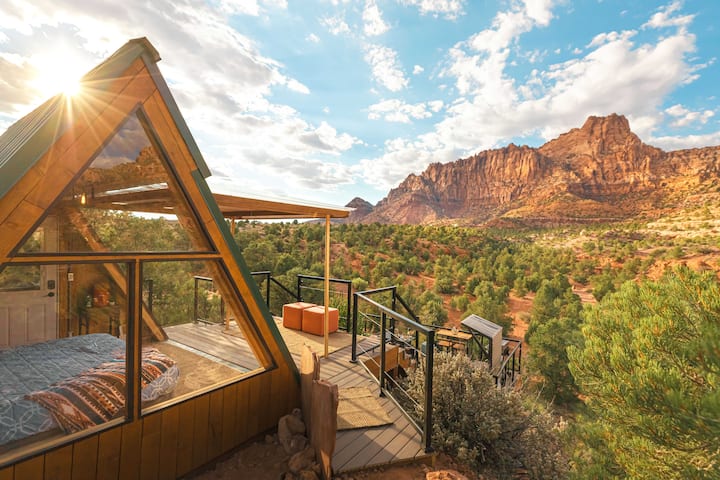
For those planning extended stays, cabin rentals in Zion National Park offer comfortable accommodations that allow you to fully immerse yourself in the park’s red rock landscapes. Staying nearby means you can catch sunrise from Canyon Junction Bridge or enjoy evening wildlife viewing without rushing back to distant hotels.
The park’s slot canyons, including the popular Narrows hike, offer unique experiences walking through river-carved passages between towering walls. These adventures require proper preparation and weather awareness, but they create unforgettable memories for those willing to get their feet wet.
Camping Under the Stars
Camping strips away modern conveniences and reconnects us with natural rhythms. As darkness falls and artificial lights disappear, the night sky reveals its full glory, offering perspective on our place in the universe.
Successful camping begins with proper gear selection. A quality tent protects against the weather while remaining lightweight for backpacking trips. Sleeping bags rated for expected temperatures ensure comfortable rest, while portable stoves and water filtration systems provide essential nutrition and hydration.
Essential Camping Gear
Layered clothing systems adapt to changing weather conditions throughout the day. Moisture-wicking base layers, insulating mid-layers, and waterproof outer shells work together to maintain comfort during various activities and weather patterns.
Navigation tools remain crucial even on established trails. GPS devices and smartphone apps provide digital assistance, but traditional map and compass skills offer reliable backup when batteries die or signals fail.
First aid kits tailored to your group size and planned activities can address common outdoor injuries. Include items for treating cuts, sprains, insect bites, and any personal medications your group requires.
Top Camping Destinations
Great Smoky Mountains National Park offers diverse camping options from developed campgrounds to backcountry sites. The park’s abundant wildlife and diverse plant communities create excellent opportunities for nature observation and photography.
Glacier National Park provides stunning mountain scenery with pristine lakes and abundant wildlife. Many campgrounds offer easy access to trailheads, allowing you to explore different areas without breaking camp daily.
Desert camping in Joshua Tree National Park presents unique challenges and rewards. The stark beauty of the Mojave Desert comes alive during cooler months, while the exceptional dark skies provide world-class stargazing opportunities.
Kayaking and Canoeing Adventures
Paddling offers a peaceful way to explore waterways while observing wildlife and landscapes from unique perspectives. These activities provide excellent low-impact exercise while allowing for quiet contemplation and photography opportunities.
Scenic Paddle Locations
Boundary Waters Canoe Area Wilderness in Minnesota offers over 1,000 lakes connected by portage trails. This pristine wilderness provides opportunities for multi-day expeditions through forests and across crystal-clear waters where loons call and moose wade along shorelines.
Everglades National Park presents a completely different paddling experience through mangrove tunnels and shallow bays. The park’s unique ecosystem supports incredible bird diversity, from great blue herons to roseate spoonbills, while manatees occasionally surface near curious paddlers.
The Colorado River through the Grand Canyon provides world-class whitewater rafting experiences ranging from gentle float trips to challenging rapids. These multi-day adventures combine stunning scenery with expert guides who share geological and cultural history.
Paddling Safety and Skills
Understanding weather patterns and water conditions prevents dangerous situations. Wind speed and direction significantly impact paddling difficulty, while water temperature determines appropriate clothing and safety gear requirements.
Basic rescue techniques help paddlers assist others in emergencies. T-rescues, self-rescues, and proper communication signals become essential skills for anyone venturing beyond calm, protected waters.
Navigation skills prove especially important on large lakes or complex river systems. Understanding how to read water conditions, identify hazards, and plan routes ensures safe and enjoyable paddling experiences.
Nature Photography
Photography transforms casual nature observation into focused artistic expression. The process of composing shots and waiting for perfect lighting encourages deeper connection with natural environments while creating lasting memories of outdoor adventures.
Technical Fundamentals
Understanding light quality throughout the day dramatically improves photograph quality. Golden hour lighting during sunrise and sunset provides warm, soft illumination that enhances colors and reduces harsh shadows.
Composition techniques help create more compelling images. The rule of thirds places subjects off-center for more dynamic compositions, while leading lines draw viewers’ eyes through the frame toward focal points.
Depth of field control allows photographers to isolate subjects from backgrounds or keep entire scenes in sharp focus. Understanding aperture settings and their effects on image sharpness helps create the desired artistic impact.
Wildlife Photography Ethics
Respecting wildlife and their habitats ensures both animal welfare and photographer safety. Maintaining appropriate distances prevents stress to animals while reducing risks of dangerous encounters.
Never feeding wildlife or interfering with natural behaviors maintains ecosystem balance and prevents animals from becoming dependent on human interactions. These practices also comply with regulations in national parks and protected areas.
Patience often yields better results than aggressive approaches. Quietly observing animal behavior patterns and waiting for natural moments creates more authentic and compelling photographs than forced interactions.
Landscape Photography Tips
Foreground elements add depth and interest to landscape compositions. Rocks, plants, or water features in the immediate foreground create layered images that draw viewers into the scene.
Weather conditions often create the most dramatic photographs. Storm clouds, fog, and changing light conditions provide dynamic elements that transform ordinary scenes into extraordinary images.
Planning shoots around seasonal changes reveals different aspects of the same locations. Spring wildflowers, autumn colors, and winter snow each offer unique photographic opportunities in familiar places.
Conclusion
Nature offers endless opportunities for recreation and renewal, from mountain hikes to peaceful camping or photography walks. You don’t need expensive gear or extreme skills—start with local trails, car camping, or nearby green spaces. As your confidence grows, bigger adventures await. The key is to begin, choose an activity, find a spot, and step outside. Nature’s restorative power is closer than you think.
