Table of Contents
- Understanding the Appeal of Riverfront Properties
- Assessing Flood Risks and Insurance Requirements
- Evaluating Maintenance and Upkeep Needs
- Considering Environmental Regulations and Zoning Laws
- Analyzing Property Value and Investment Potential
- Understanding Community and Lifestyle Factors
- Planning for Emergency Preparedness
- Conclusion
Understanding the Appeal of Riverfront Properties
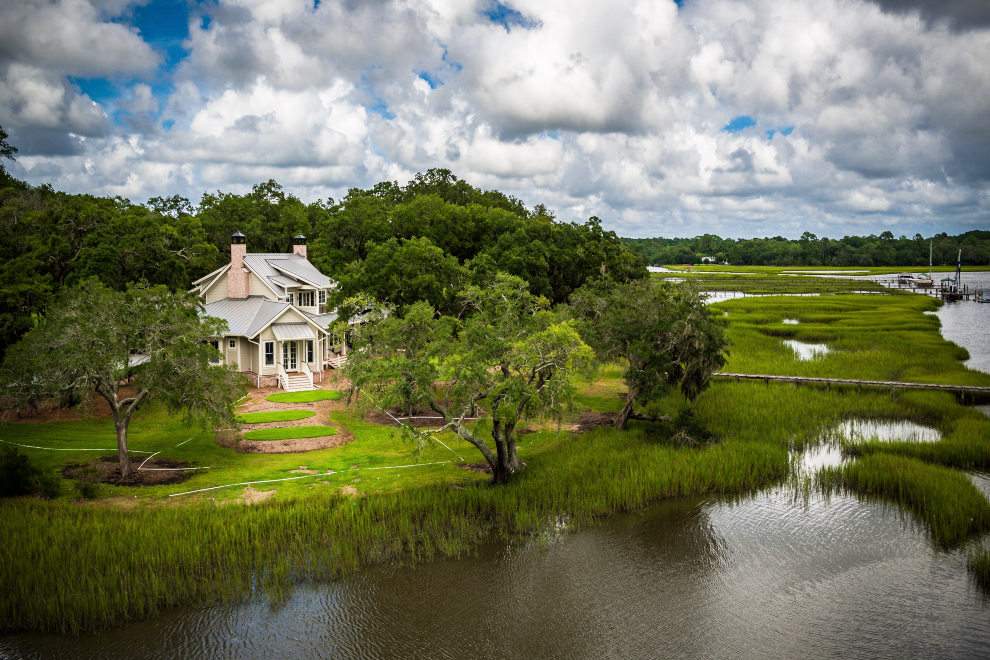
Imagine waking up each day to panoramic water views, the soothing sounds of a flowing river, and an ever-changing natural landscape. Riverfront properties have long captured the imagination of buyers seeking an escape from urban stress or a scenic setting for their primary or vacation residence. For many, these homes represent a chance to immerse themselves in nature, with opportunities for boating, fishing, kayaking, or simply enjoying a peaceful sunset over the water. The allure of riverfront living is especially powerful for those prioritizing tranquility and access to outdoor recreation. For expert guidance on choosing the best riverfront opportunities in Wilmington, the Wilmington real estate experts Thirty4 North Properties Group can help you navigate the local market successfully.
Yet, riverfront living comes with significant considerations. While the appeal is undeniable, prospective homeowners must balance the advantages—such as elevated property values and lifestyle perks—against unique challenges, including higher upkeep and environmental constraints. Homes on the water can be among the most desirable properties in any region, but they also demand a commitment to understanding their unique characteristics.
Assessing Flood Risks and Insurance Requirements
One of the top priorities for any riverfront homebuyer is evaluating flood risk. Living close to a river means exposure to seasonal flooding, storm surges, and occasional extreme weather events. Before making an offer, research the specific flood zone for your desired property. High-risk flood zones may require owners to carry flood insurance as part of their mortgage agreement, which can be a significant expense that exceeds typical homeowners’ insurance. Additional considerations include checking local infrastructure and understanding any community-wide flood mitigation efforts.
Evaluating Maintenance and Upkeep Needs
Waterfront homes encounter more wear and tear due to their proximity to moisture and the elements. Maintenance needs extend beyond typical landscaping—expect to monitor and care for structures like docks, sea walls, and bulkheads regularly. Choose building materials known for durability in moist environments, such as treated wood and weather-resistant metals, to minimize the risk of rot or decay. Routine inspections are essential; neglecting maintenance can lead to costly repair bills and a decrease in property value.
In addition to structural upkeep, riverfront homes are vulnerable to erosion, mildew, and pest infestations. Budget for ongoing exterior cleaning, waterproofing, and pest management as part of your homeownership plan.

Considering Environmental Regulations and Zoning Laws
Zoning laws and environmental policies protect riverbank ecosystems but can also limit your options for expanding, renovating, or even landscaping a riverfront property. Local and state governments often require specific permits for construction near water, which might delay or restrict your plans. Familiarizing yourself with zoning regulations and environmental rules before finalizing a purchase is crucial, as ignorance of these requirements can lead to costly fines or forced removal of additions.
Analyzing Property Value and Investment Potential
Historically, riverfront homes offer strong appreciation potential, as buyers pay a premium for access to water and unobstructed views. Neighborhood popularity, school districts, and development trends can all influence resale value. However, climate change and shifting environmental policies may affect long-term investment prospects. Waterfront homes may also experience price fluctuations tied to severe weather patterns or updated floodplain maps. Conduct local market research and review comparable sales to ensure your investment aligns with your long-term financial goals.
Understanding Community and Lifestyle Factors
Beyond property-specific features, consider the overall community and its seasonal rhythms. Some riverfront neighborhoods are bustling with activity during peak tourism, while others remain quiet year-round. Evaluate local events, community associations, and public access policies. In some cases, increased boat traffic or riverside festivals could affect your enjoyment or privacy. Speaking with neighbors or longtime residents is an excellent way to gain an authentic perspective on day-to-day living near the water.
Planning for Emergency Preparedness
Safety should always be a top concern. Riverfront homes require a robust emergency plan, including knowing evacuation routes, securing emergency supplies, and reinforcing key structures against severe storms. Monitor weather alerts, keep important documents in waterproof storage, and create a communication strategy for family members and guests. An annual review of your insurance coverage and property protection measures can ensure you’re prepared for the unexpected.
Conclusion
Riverfront living promises striking beauty and abundant recreation, but it’s essential to approach your home search with eyes wide open. Before buying, consider flood risk, ongoing maintenance, regulatory compliance, investment potential, and the nuances of the local community. By leveraging local expertise and staying informed, you can find a riverfront property that enhances your lifestyle and secures your long-term investment.