You may already know you want a tooth replaced, but the waiting can feel harder than expected. Maybe the tooth has been gone for a while, or maybe you just had an extraction and now you are hearing new terms like bone loss, gum contour, ridge shrinkage, grafting, and even cosmetic teeth whitening in Grand Rapids. That is usually the moment people start worrying that they waited too long or that an implant will become more expensive or harder than they planned.
The core issue is simple. Your gums and jawbone do not stay frozen after a tooth is lost. They change over time, and those changes affect how stable, comfortable, and natural a future implant can be. Tracking gum and bone changes before a future dental implant helps your dentist see what is happening early, protect the site when possible, and plan treatment with fewer surprises.
Bone and gum changes begin soon after tooth loss
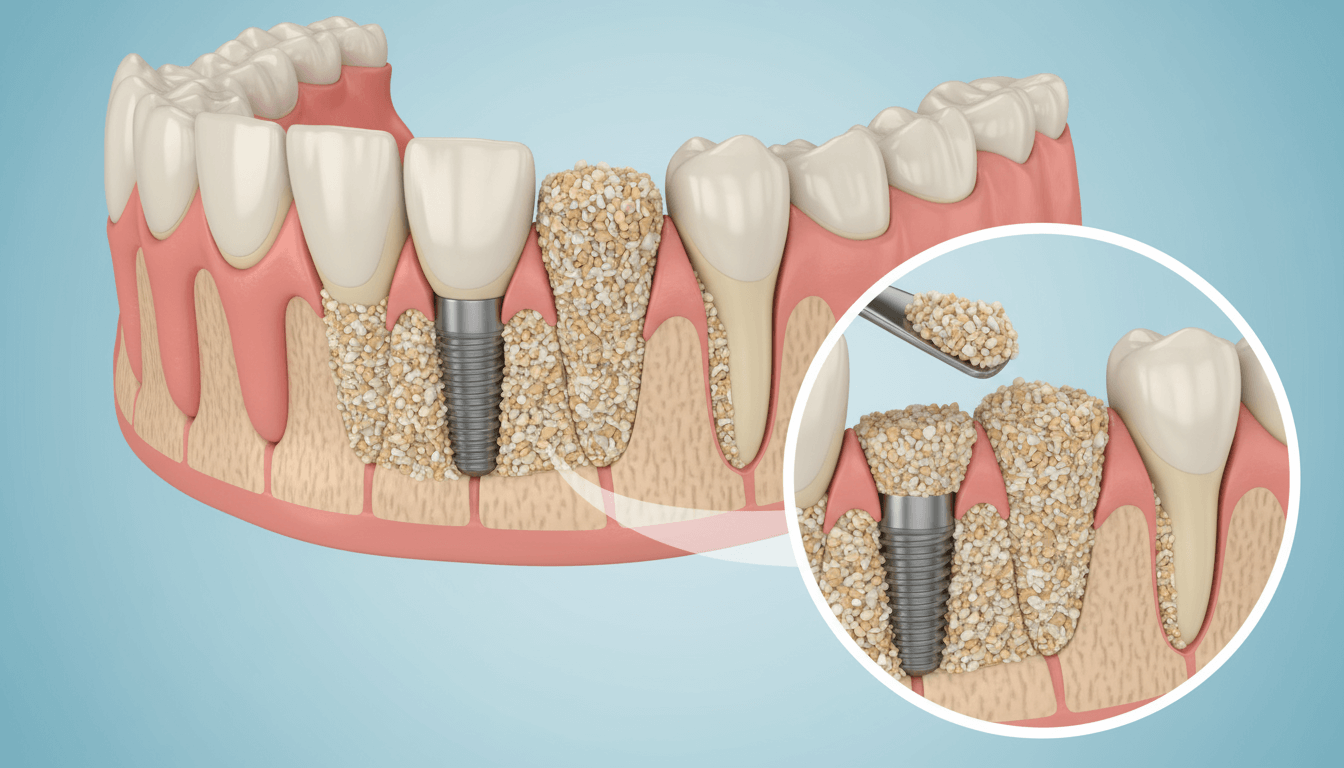
Once a tooth is removed or lost, the bone that used to support it starts to shrink because it no longer gets the same stimulation from chewing. The gum tissue above that area can also flatten or recede. You might not notice much at first. Then one day your bite feels different, food traps more easily, or the space looks a little sunken in photos.
This is one reason an early exam matters, even if you are not ready to schedule implant treatment right away. A dentist who provides implant and family dentist care can measure the site, compare images over time, and look for changes that affect placement. That includes bone height, bone width, gum thickness, and the shape of the ridge where the tooth used to be.
Bone loss does not happen in the same way for everyone. A front tooth area can change fast because the bone is often thinner there. Back teeth can lose support too, especially if there is gum disease, grinding, or long term missing teeth nearby. If sinus space is involved in the upper back jaw, planning gets even more specific.
Waiting without monitoring can raise costs and limit options
A missing tooth site that looks fine from the outside can still lose a meaningful amount of bone underneath. That is where people get caught off guard. They expected a straightforward implant, then they learn they may need a bone graft or additional procedures first. The stress is not just clinical. It is financial, and it can add time to the whole process.
If you have ever thought, “I will deal with it later,” that reaction makes sense. Dental treatment is easy to postpone when life is crowded. The problem is that bone and gum changes keep moving whether the calendar is convenient or not.
Monitoring does not always mean immediate treatment. Sometimes it means preserving options. Your dentist may recommend periodic X rays, a 3D scan when needed, photos, periodontal measurements, or a review of your bite and habits. If the area is changing, earlier intervention may be simpler than waiting. If the area is staying stable, that is useful information too.
Research into regenerative medicine in dentistry continues to improve how clinicians think about rebuilding and preserving oral tissues. Materials also matter, and the National Institute of Dental and Craniofacial Research offers a helpful overview of dental materials used in treatment. If gum disease is part of the picture, understanding the basics of periodontitis and tissue damage can explain why support around an implant site must be healthy first.
Pre implant bone and gum monitoring gives clearer treatment planning
The goal is not to chase perfection. The goal is to give your dentist a clear map. A stable implant depends on enough healthy bone, healthy gums, and a bite that does not overload the area. When those pieces are reviewed early, treatment planning becomes more accurate.
That can shape decisions such as whether you need socket preservation after extraction, whether a graft is recommended, whether the implant should be placed sooner, or whether another replacement option makes more sense for now. This kind of dental implant planning also helps with the look of the final tooth, especially in visible areas where gum symmetry matters.
Common signs and planning factors before implant treatment
| What is being tracked | Why it matters | What your dentist may use |
| Bone width and height | Determines whether the implant has enough support | Dental X rays, CBCT 3D imaging, clinical exam |
| Gum thickness and contour | Affects healing, appearance, and long term tissue stability | Photos, periodontal charting, visual measurements |
| Changes after extraction | Shows whether the ridge is shrinking over time | Follow up visits, image comparison, models or scans |
| Gum disease or inflammation | Untreated infection can reduce implant success | Periodontal exam, cleaning records, probing depths |
| Bite pressure and grinding | Heavy force can stress a future implant | Bite analysis, wear patterns, nightguard review |
A real world example helps. Someone loses a molar and waits two years because it does not show when they smile. During that time, the opposing tooth drifts, the bone narrows, and food starts packing into the area. Another person comes in soon after extraction, has the site evaluated, and either preserves the socket or tracks it at planned intervals. The second path usually gives more control.
Three steps you can take now
Book an implant site evaluation. Even if you are months away from treatment, get a baseline exam. A starting set of images and measurements gives your dentist something real to compare later.
Ask what is changing and what can wait. You do not need a flood of jargon. Ask whether the bone is stable, whether the gums are thinning, and whether waiting is likely to add procedures or cost.
Treat gum disease and protect the area. Keep cleanings current, brush and floss carefully, and address grinding if you clench at night. Healthy tissue now supports better choices later.
Early tracking supports a steadier implant process
If you have been putting this off, you are not alone, and you are not automatically out of options. The best next move is often simple. Get the area checked, learn what your gums and bone are doing, and make decisions from facts instead of fear. Careful tracking before implant treatment can protect both your health and your budget, and it can make the final result more predictable when you are ready to move forward.
