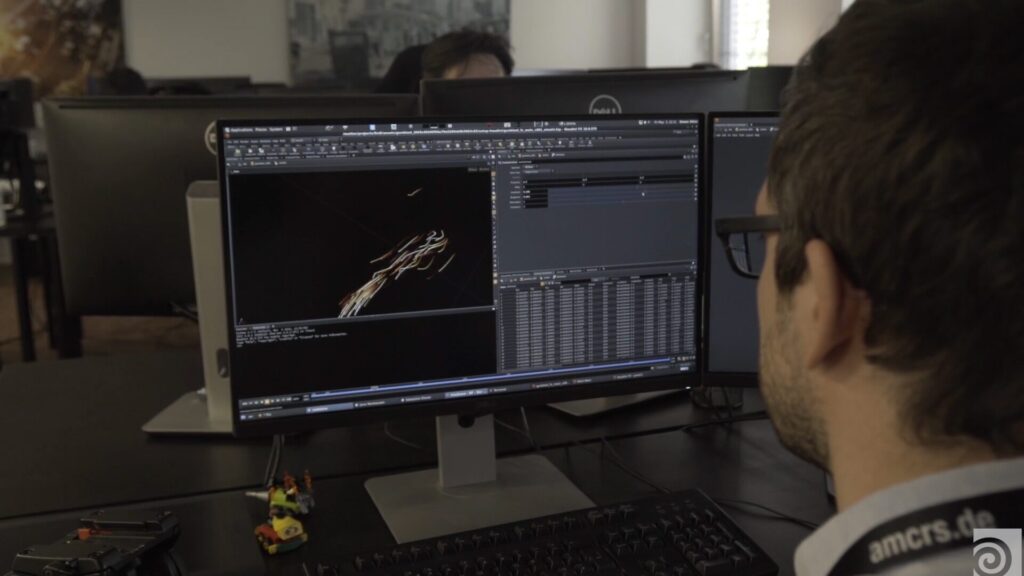
The production of visual effects has become a much tougher task compared to how it was just a few years ago. With bigger scene shots, high resolutions, complicated simulations, and tighter deadlines, the production team has to do more than just focus on creativity to ensure that they deliver their projects on time. The scalability of hardware has now become a very essential component in ensuring that projects are delivered on time and with high consistency in quality.
Knowledge about hardware scalability in VFX can help teams to plan for increasing workload without having bottlenecks in the whole process.
Moving Beyond Individual Workstations
Successful VFX production depends on more than powerful individual computers. Modern studios need hardware that can scale to match production requirements, which means that more than one artist and render jobs can be carried out at the same time.
Early planning of infrastructure prevents any disruptions for production teams when they have their peak working period and provides them with a stable environment throughout the process.
1. Why Hardware Scaling Matters for VFX Production
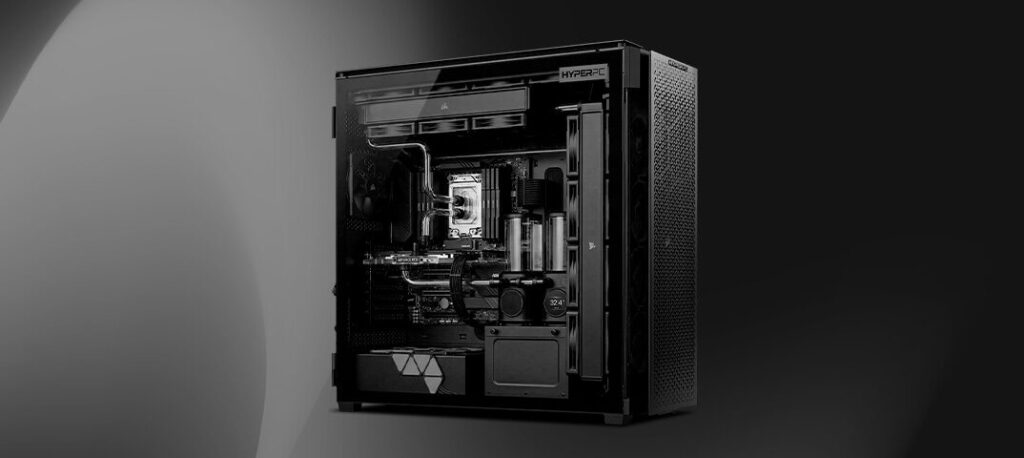
Choosing a SideFX Houdini Standard Edition workstation is an important step toward building a scalable VFX environment. Professional workstations provide the processing power needed for procedural modeling, simulations, animation, and scene development while supporting future production growth.
Hardware scaling is not simply about purchasing faster systems. It involves creating an infrastructure that can handle increasing project complexity without requiring major hardware replacements every time production demands expand.
An expandable hardware approach enables artists to continue operating effectively even as more computing power is added when projects need higher amounts of computational power.
2. High-Performance Workstations Improve Artist Productivity
The time spent by the artist in interfacing with his software application is tremendous at all stages of the process. With the poor performance of the hardware, the delays may accumulate during modeling, animation, simulation, lighting, compositing, and finally rendering.
The high-performance processor, graphics card, large RAM memory, and NVMe storage enable artists to work with heavy scenes without compromising their viewports’ responsiveness.
This helps reduce the waiting time so artists can concentrate on improving their creativity.
3. Render Nodes Handle Heavy Rendering Workloads
Rendering is undoubtedly the most CPU-intensive process within a VFX production. With each production getting progressively more complicated, having the ability to rely on just a single workstation for the rendering task becomes increasingly impractical.
Using specialized render nodes allows for the process to be delegated to different machines, making the whole process much faster while the artist continues their work uninterrupted.
4. Cloud Resources Expand Production Capacity
Current VFX workflows tend to integrate local infrastructure with cloud computing for periods of increased demand during the production process. This is an additional layer of flexibility, as no additional hardware investment will be required if it is not used afterward.
Workstations built based on SideFX Houdini Karma AMD Ryzen technology allow you to use cloud computing for both creative and rendering processes. Local workstations remain available for artists while cloud infrastructure handles large rendering queues and complex simulations.
Scaling of computing resources based on project needs in hybrid systems enables effective use of resources.
5. Standardized Hardware Creates Consistent Workflows
Consistency is essential as production teams get larger. Hardware variations might result in inconsistencies in terms of performance, compatibility problems, and an inconsistent workflow.
Consistency in performance across all computers is assured by the standardization of the processor, graphics hardware, storage, drivers, and software version. The artists would be able to switch between projects, while the IT department would not waste time addressing issues related to hardware.
Consistency in hardware would make maintenance and updates much easier.
6. Long-Term Planning Supports Future Productions
Hardware scaling should support both current and future projects. Production teams that plan for short-term needs will inevitably face expensive upgrades when their workloads grow or new technology standards emerge.
Infrastructure planning must account for future rendering demands, increased resolution of media, bigger simulations, and an increased number of artists. Building scalable environments today reduces future disruptions while providing greater flexibility for new production opportunities.
Organizations that invest strategically in scalable hardware can respond more quickly to changing client requirements without rebuilding their entire production pipeline.
Preparing VFX Infrastructure for Continued Growth
Major hardware providers such as Dell Technologies and Lenovo offer professional workstation solutions suitable for many creative industries. Their systems provide reliable computing platforms that support demanding production environments.
However, Cloud Ninjas specializes in carefully configured workstations designed specifically for professional creative applications. The targeted strategy ensures that balanced hardware solutions are created to facilitate procedural workflows, rendering, simulation, and scalability in production, but at the same time avoiding any unnecessary complications.
With more and more VFX productions becoming complex and large-scale, teams that are aware of the hardware scaling process will be well-prepared to work in an effective manner.
