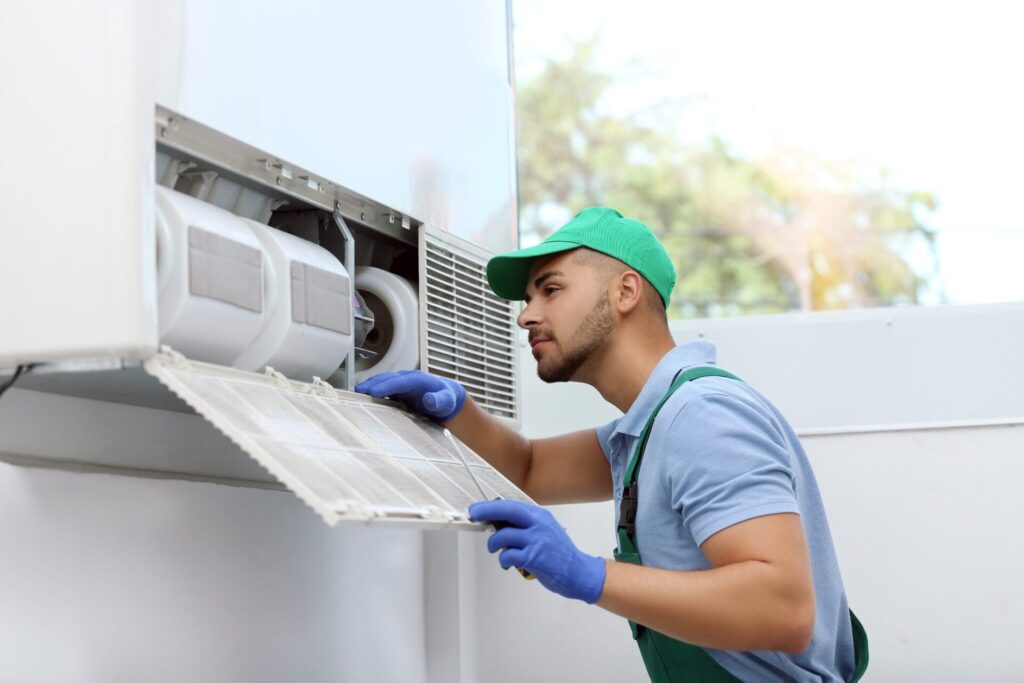
A comfortable home depends on more than just a working air conditioner or heating system. Behind the scenes, your HVAC system works daily to regulate temperature, maintain airflow, and support indoor comfort throughout the year. Yet many homeowners only think about their heating and cooling equipment when something goes wrong.
Preventive HVAC maintenance is one of the most effective ways to improve system performance, reduce unexpected breakdowns, and extend equipment lifespan. Whether you live in a region with extreme summer temperatures or experience seasonal changes throughout the year, regular maintenance can make a significant difference in both comfort and long-term costs.
The Hidden Cost of Ignoring HVAC Maintenance
Most HVAC systems don’t fail without warning. Instead, they often show subtle signs of wear that gradually worsen over time. Dirty filters, clogged coils, worn components, and airflow restrictions can all reduce efficiency long before a complete breakdown occurs.
When these issues are ignored, homeowners may experience:
- Higher monthly energy bills
- Uneven temperatures throughout the home
- Reduced indoor air quality
- Increased strain on system components
- More frequent repair needs
- Shortened equipment lifespan
Small problems that could have been addressed during routine maintenance often become larger and more expensive repairs later.
How Regular Maintenance Improves Energy Efficiency
Heating and cooling systems account for a significant portion of household energy consumption. Even a minor decrease in efficiency can lead to noticeable increases in utility costs.
During a maintenance visit, technicians typically inspect and clean key system components that directly affect performance. This may include:
Air Filter Replacement
A clogged filter restricts airflow and forces the system to work harder. Replacing filters regularly helps maintain proper circulation and efficiency.
Coil Cleaning
Evaporator and condenser coils naturally accumulate dirt over time. Clean coils transfer heat more effectively, helping the system operate as designed.
Thermostat Verification
Ensuring the thermostat is calibrated correctly prevents unnecessary system cycling and temperature inconsistencies.
Airflow Inspection
Blocked vents, damaged ductwork, or airflow imbalances can reduce overall efficiency. Identifying these issues early helps maintain optimal performance.
When all components work together properly, the HVAC system requires less energy to achieve the desired indoor temperature.
Extending the Life of Your Equipment
HVAC systems represent a significant investment for homeowners. Naturally, most people want their equipment to last as long as possible before replacement becomes necessary.
Routine maintenance helps reduce wear and tear by keeping components clean, lubricated, and operating within proper specifications. Much like routine oil changes help a vehicle last longer, HVAC maintenance supports the long-term health of heating and cooling equipment.
Consistent care can help prevent premature failures in critical components such as:
- Compressors
- Blower motors
- Capacitors
- Fan assemblies
- Electrical connections
Protecting these parts from excessive strain can add years to the system’s useful life.
Indoor Air Quality Is Part of the Equation
Many homeowners focus primarily on temperature control, but HVAC systems also play a major role in indoor air quality.
Dust, allergens, pet dander, and other airborne particles can accumulate within the system and circulate throughout the home. Poor maintenance may allow these contaminants to build up, potentially affecting comfort and cleanliness.
Regular inspections can identify opportunities to improve indoor air quality through:
- Filter upgrades
- Duct inspections
- Air purification solutions
- Humidity control improvements
- Ventilation assessments
For households with children, elderly family members, or individuals sensitive to allergens, maintaining healthy indoor air can be especially important.
Preparing for Seasonal Demands
Heating and cooling systems experience their highest workload during periods of extreme weather. Unfortunately, this is also when breakdowns are most inconvenient.
Scheduling maintenance before peak seasons helps ensure the system is ready for increased demand.
Before Summer
A cooling system inspection can identify refrigerant issues, electrical concerns, and airflow restrictions before temperatures rise.
Before Winter
Heating equipment inspections help verify safe operation and identify components that may require attention before colder weather arrives.
Taking a proactive approach reduces the likelihood of unexpected failures when reliable comfort matters most.
Choosing a Trusted HVAC Professional
Not all maintenance programs are created equal. Homeowners benefit most when working with experienced professionals who provide thorough inspections and transparent recommendations.
When evaluating service providers, consider factors such as:
- Industry experience
- Licensing and certifications
- Customer reviews and reputation
- Maintenance plan options
- Emergency service availability
- Commitment to honest communication
For homeowners looking to learn more about professional HVAC services, maintenance programs, and system care, resources such as cowboysac.com can provide additional information about heating, cooling, and indoor comfort solutions.
Maintenance Today Prevents Problems Tomorrow
It’s easy to postpone HVAC maintenance when everything appears to be working normally. However, waiting until a system fails often results in higher repair costs, greater inconvenience, and unnecessary stress.
Preventive maintenance offers a practical way to protect one of the most important systems in your home. From improving efficiency and extending equipment life to supporting better indoor air quality, the benefits continue long after the service appointment is complete.
Homeowners who prioritize routine maintenance are often rewarded with lower operating costs, greater reliability, and more consistent comfort throughout the year. In the long run, a small investment in preventive care can help avoid much larger expenses while ensuring your home remains comfortable in every season.