Introduction
Running a busy retail store involves much more than processing sales. Independent store owners often deal with inventory discrepancies, employee errors, theft, and the challenge of keeping operations organized across multiple locations. For convenience stores, gas stations, liquor stores, smoke shops, and vape stores, even small losses can add up over time and affect profitability.
As retail operations become more complex, many store owners are looking for smarter ways to improve inventory visibility, reduce shrinkage, and gain better control over daily business activities. Modern technology is playing a major role in helping retailers solve these challenges.
Why Inventory Accuracy Matters
Inventory accuracy is one of the most important factors in retail success. When stock records do not match what is actually on the shelves, businesses may face lost sales, frustrated customers, and unnecessary purchasing costs.
Many retailers discover that inventory problems often come from a combination of factors, including receiving mistakes, pricing errors, theft, and manual data entry issues. Without real-time visibility, these problems can remain hidden for weeks or even months.
Accurate inventory tracking allows store operators to identify trends, manage stock levels efficiently, and make informed purchasing decisions. It also helps ensure that popular products remain available when customers need them.
The Growing Challenge of Retail Shrinkage
Shrinkage continues to be a major concern for retailers across the United States. Losses can occur through shoplifting, employee theft, administrative mistakes, or unrecorded inventory movements.
Traditional methods such as manual audits and security cameras provide some level of protection, but they often require significant time and effort. In many cases, managers only discover issues after reviewing reports or conducting physical inventory counts.
Modern retail businesses are increasingly adopting technology-driven solutions that connect inventory management, transaction tracking, and security monitoring into a single system.
How Modern POS Technology Helps
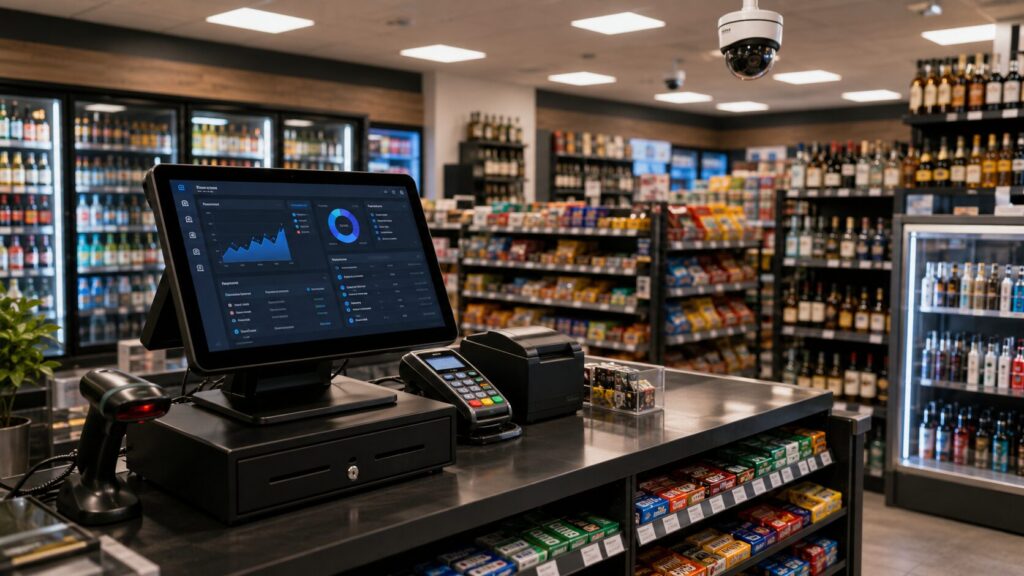
Today’s advanced point-of-sale systems do much more than process transactions. They serve as operational hubs that connect sales, inventory, reporting, payments, and store management tools.
A well-designed POS system with loss prevention can help retailers identify suspicious activities, track inventory movement in real time, and provide valuable insights that support better decision-making.
These systems allow managers to monitor operations remotely, review transaction histories, and quickly investigate unusual events. As a result, problems can often be identified and addressed before they become costly.
Why SuperSonic POS Stands Out for High-Volume Retailers
SuperSonic POS is designed specifically for high-volume retail environments such as convenience stores, gas stations, liquor stores, smoke shops, and vape stores. Rather than offering a generic solution, it focuses on the day-to-day operational challenges that these businesses face.
One of its most valuable features is real-time inventory synchronization combined with AI-powered inventory management. This helps retailers maintain accurate stock records while simplifying product organization through SKU auto-categorization and vendor receiving support.
The platform also includes camera-to-POS loss prevention technology that links transactions directly to security footage. Managers can receive alerts for activities such as voids, no-sales, and unusual discounts, making investigations faster and more efficient.
In addition, SuperSonic POS provides a cloud-based back office with real-time reporting, remote monitoring capabilities, and centralized control for businesses operating multiple locations. Built-in integrations with QuickBooks, DoorDash, Uber Eats, Grubhub, and Davos Sales Tax further streamline daily operations.
Flexible payment processing options support mobile payments, digital wallets, and dual pricing programs. Combined with 24/7 U.S.-based support and onboarding assistance, the platform offers a practical solution for retailers seeking greater operational control.
Benefits of Real-Time Reporting
Real-time reporting gives store owners immediate access to critical business information. Instead of waiting until the end of the day or week, operators can review sales trends, inventory levels, and employee performance whenever needed.
This visibility helps retailers react quickly to emerging issues and make more informed decisions. Whether managing one location or several stores, access to current data can significantly improve efficiency.
Choosing the Right Retail Technology
When evaluating retail technology solutions, store owners should focus on systems that address their specific operational needs. Features such as inventory management, shrink prevention, reporting, payment flexibility, and remote access often deliver the greatest value.
Generic systems may work well for some businesses, but high-volume retail environments frequently require specialized tools designed around their unique workflows. Selecting the right platform can help reduce losses, improve accuracy, and support long-term growth.
Conclusion
Retail success depends on maintaining accurate inventory, controlling losses, and making informed decisions based on reliable data. As operational challenges continue to evolve, technology is becoming an essential part of effective store management.
For convenience stores, gas stations, liquor stores, smoke shops, and vape stores, modern retail platforms provide powerful tools that simplify operations while improving visibility across every aspect of the business. By combining inventory tracking, transaction monitoring, reporting, and loss prevention capabilities, retailers can create a stronger foundation for sustainable growth and improved profitability.
