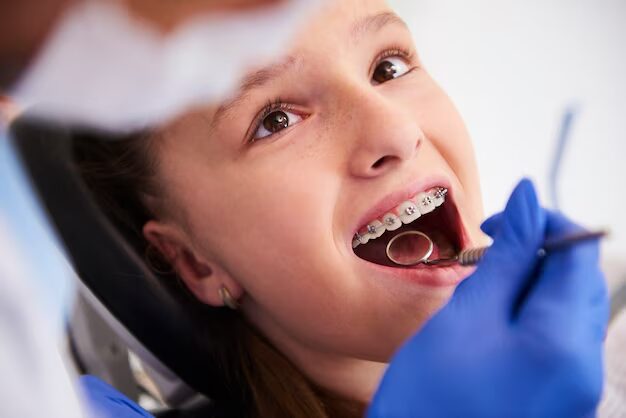
How can parents tell when should kids get braces?
Parents can often spot early signs like crowding, bite issues, or unusual tooth loss that signal when should kids get braces. An orthodontic evaluation by age 7 helps detect concerns early and guide treatment. At Cortland Dental in Massachusetts, we help families plan timely orthodontic care for healthy smiles.
It often starts when a parent notices their child’s teeth coming in a little crooked or hears a comment from a dentist during a routine visit. At first, it may not seem urgent. After all, baby teeth fall out and new ones grow in. But as your child’s smile develops, these early changes can sometimes point to bigger orthodontic needs.
Understanding when should kids get braces is not always obvious. Every child grows at a different pace, and dental development can vary widely. Some children may need early intervention, while others may simply need monitoring over time. The key is knowing what signs to watch for and when to seek professional guidance.
This guide will help you recognize common indicators that your child might benefit from early orthodontic care. From crowding and spacing concerns to bite alignment and tooth loss patterns, learning what is normal and what is not can help you make confident decisions for your child’s smile.
What Are The Early Signs Of Crowding Or Spacing Issues?
One of the first things parents notice is how their child’s teeth are positioned. Teeth that overlap, twist, or seem too close together may signal crowding. On the other hand, large gaps between teeth may indicate spacing issues.
Here are common signs to watch for:
- Teeth that overlap or rotate
- Gaps that do not close as permanent teeth come in
- Difficulty flossing between tight teeth
- Food frequently gets stuck
Crowding can make oral hygiene more difficult and increase the risk of cavities. Spacing issues may affect how teeth align later. These are often early clues when should kids get braces becomes a relevant question.
In many cases, crooked teeth in children can be corrected more easily when addressed early. Monitoring these changes helps determine whether intervention is needed or if natural growth will resolve the issue.
How Do Bite Problems Affect Your Child’s Smile?
A child’s bite refers to how the upper and lower teeth come together. When the bite is misaligned, it can affect both appearance and function.
Common bite issues include:
- Overbite: where upper teeth extend too far over lower teeth
- Underbite: where lower teeth sit in front of upper teeth
- Crossbite: where some upper teeth sit inside lower teeth
- Open bite: where front teeth do not touch when the mouth is closed
These conditions can lead to:
- Difficulty chewing
- Speech challenges
- Jaw discomfort
- Uneven wear on teeth
Identifying bite problems early is essential in orthodontics for child development. When parents ask when should kids get braces, bite alignment is one of the most important factors dentists evaluate.
Does Early Or Late Tooth Loss Matter?
Baby teeth play an important role in guiding permanent teeth into place. Losing them too early or too late can disrupt this process.
Early tooth loss may cause nearby teeth to shift into empty spaces. This can block permanent teeth from coming in properly. Late tooth loss may delay the eruption of adult teeth, leading to alignment issues.
Watch for:
- Baby teeth falling out much earlier than expected
- Permanent teeth erupting before baby teeth fall out
- Baby teeth staying in place longer than normal
These patterns may indicate the need for early orthodontic treatment. Addressing these concerns early can prevent more complex issues later.
When Should Kids Get Braces Based On Growth And Development?
Parents often wonder about the ideal timing for braces. While treatment does not always begin early, evaluation should happen sooner than many expect.
Most dental professionals recommend an orthodontic screening by age 7. At this stage, a mix of baby and permanent teeth allows dentists to identify potential problems early.
This evaluation can help:
- Detect developing alignment issues
- Monitor jaw growth
- Plan future treatment if needed
Even if braces are not immediately required, early monitoring ensures that treatment begins at the right time. Understanding when should kids get braces becomes easier with professional guidance.
What Are The Signs Your Child Needs Braces?
Some signs are more noticeable than others. While only a dental professional can confirm the need for treatment, parents can look for these indicators at home:
- Difficulty biting or chewing food
- Mouth breathing habits
- Thumb sucking beyond early childhood
- Teeth that do not meet properly when biting
- Jaw shifting or clicking sounds
Recognizing these signs your child needs braces can help you take action early. Early awareness allows for more treatment options and often shorter treatment times.
Why Is Early Treatment Important?
Early orthodontic treatment focuses on guiding jaw growth and tooth alignment before problems become severe. It does not always mean braces right away, but it can involve devices that help create space or correct bite issues.
Benefits of early care include:
- Reduced need for tooth extractions later
- Shorter or simpler future treatment
- Improved facial development
- Better oral health outcomes
When considering when should kids get braces, early evaluation plays a key role in preventing complications. Addressing concerns at the right time can make a lasting difference.
Are Kids Braces Always Necessary Right Away?
Not every child who shows early signs will need immediate braces. Some cases require monitoring until the right stage of development.
Dentists may recommend:
- Regular checkups to track growth
- Delayed treatment until more permanent teeth erupt
- Preventive appliances instead of braces
Kids braces are most effective when timed correctly. Starting too early or too late can impact results, which is why professional evaluation is essential.
How Can Parents Support Healthy Smile Development?
While some orthodontic issues are genetic, there are steps parents can take to support proper dental development.
Encourage habits like:
- Regular dental visits
- Proper brushing and flossing
- Avoiding prolonged thumb sucking
- Wearing mouthguards during sports
These practices help maintain oral health and support successful orthodontic outcomes. They also make it easier to determine when should kids get braces based on actual needs rather than preventable issues.
Conclusion: Guiding Your Child Toward A Healthy, Confident Smile
Recognizing early signs of orthodontic concerns can make a meaningful difference in your child’s dental health. From crowding and spacing issues to bite alignment and tooth loss patterns, these indicators help guide care decisions. Understanding when should kids get braces is not about rushing into treatment but about being informed and proactive.
Early evaluation allows dental professionals to monitor growth, recommend appropriate timing, and prevent more complex problems later. Whether your child needs immediate care or simply observation, taking that first step ensures you are prepared.
If you have noticed changes in your child’s smile or have questions about their development, scheduling an orthodontic evaluation can provide clarity. A healthy, confident smile starts with the right timing and guidance. Schedule an appointment with Cortland Dental to take the next step toward your child’s healthy, confident smile.
