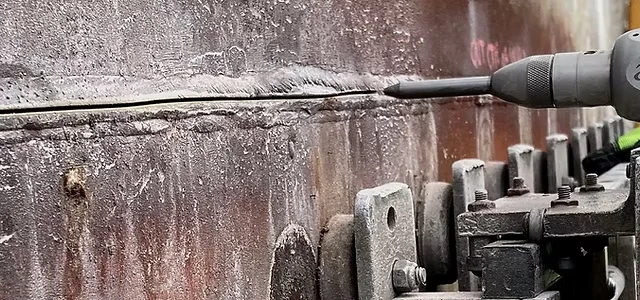
Why Industrial Tanks Need Consistent Structural Attention
In commercial environments, storage tanks are built to handle demanding conditions every day. These structures manage heavy product loads, fluctuating temperatures, internal pressure changes, and constant interaction with chemicals, fuels, or processing materials. Even the strongest steel begins to show signs of stress when exposed to these conditions long enough. That’s why tank repair is not a one-time event but an ongoing part of maintaining a safe, efficient industrial operation.
Tanks in manufacturing, logistics, energy, and chemical processing play a central role in workflow. When a tank develops even a small structural weakness, the entire system feels the impact. Product quality can change, flow can become inconsistent, and downstream processes can slow. Addressing problems early helps facilities avoid unexpected shutdowns and protect the significant investment tied to these assets.
How Tanks Begin Showing Wear in Commercial Settings
Industrial tanks don’t fail suddenly. They degrade through a series of small changes that build over time. Exposure to chemicals can thin the internal walls. Temperature swings cause expansion and contraction, weakening welds and seams. External elements such as moisture or corrosive air accelerate rust formation. When tanks sit partially filled for long periods, condensation forms inside and speeds up corrosion from within.
These changes might not be visible from the outside. That is why internal inspection is so important for planning tank repair before problems grow into failures. Once deterioration reaches a certain point, the tank becomes vulnerable to leaks, structural collapse, or contamination issues that can halt production.
The Cost of Ignoring Early Warning Signs
Many commercial sites operate under pressure to keep production moving, and maintenance may get pushed aside. But delaying repairs usually leads to larger and more expensive issues. A tank that develops small leaks can contaminate surrounding soil or water systems. A weakened interior wall can collapse under pressure. Even minor structural defects—if neglected—can compromise operational safety.
When problems escalate, facilities can face environmental cleanup expenses, equipment replacement costs, or regulatory penalties. Scheduling tank repair early prevents these risks and keeps operations stable. In large facilities, avoiding one major failure can save millions in long-term damage.
Why Repairs Require Highly Skilled Professionals
Repairing industrial tanks demands far more than tightening bolts or patching visible spots. Professional teams understand tank geometry, pressure dynamics, metal behavior, and coating requirements. They evaluate whether the steel can be repaired safely or whether structural reinforcement is necessary. Their work involves detailed assessments using ultrasound testing, magnetic particle inspection, thickness measurements, and other specialized evaluation tools.
Because repairs often involve confined-space entry, strict safety protocols apply. Workers enter controlled environments with gas monitors, ventilation systems, and protective equipment. The expertise required to conduct tank repair safely and correctly makes professional service essential.
The Variety of Repairs Needed Across Industries
No two industrial tanks degrade in the same way, and the type of repair depends on the material stored and the workload placed on the system. Some tanks require reinforcement of weakened walls. Others need weld restoration, seam tightening, or replacement of corroded sections. Tanks used for chemical processing may need internal linings rebuilt or replaced. Fuel tanks often need treatment for corrosion at the tank bottom, where moisture collects most aggressively.
Every repair is guided by industry standards, inspection results, and the tank’s operational history. Skilled technicians create solutions that restore full functionality without compromising safety. The goal of tank repair is always long-term stability, not just temporary fixes.
How Repairs Improve Overall System Performance
When tanks are fully functional, the entire facility benefits. Pumps operate with less strain because they no longer have to fight uneven pressure. Sensors produce more accurate readings when internal conditions stabilize. Flow rates improve, making production more predictable. Repairs remove the inconsistencies that slow down processes and cause mechanical wear.
A repaired tank also helps maintain product integrity. Whether the tank stores fuel, chemicals, water, or processing material, contamination becomes less likely. The quality and consistency of stored product remain stable, reducing product waste and improving the reliability of downstream systems.
Why Repairs Are Closely Connected to Inspections
Inspections and repairs go hand in hand. Internal inspections reveal structural weaknesses, corrosion, and early-stage damage long before a tank experiences visible failure. Facilities that follow consistent inspection schedules always discover problems earlier, while repairs are still manageable. This saves money, improves safety, and extends the life of every tank on site.
Technicians conducting tank repair rely heavily on previous inspection reports. These documents show trends over time, such as thinning metal, reoccurring corrosion areas, or weld degradation. By tracking changes year after year, facilities can plan proactive maintenance and avoid unexpected breakdowns.
How Repair Planning Supports Long-Term Operations
Commercial tanks are built to last, but they require strategic care. Most facilities adopt maintenance cycles that include inspection, cleaning, and repair as part of a predictable schedule. This organized approach ensures tanks remain safe and fully operational, reducing emergency service calls and improving the accuracy of production planning.
When facilities view tank repair as part of their ongoing operational strategy, equipment lasts longer and performs more consistently. Downtime becomes predictable rather than disruptive. Production stays stable, and managers gain a clear understanding of their equipment’s long-term condition.
Why Repairing Early Protects the Facility’s Investment
Industrial tanks are major capital assets. Replacing one is costly and disruptive, requiring extensive labor, downtime, and sometimes system redesign. Repairing a tank early in its deterioration cycle preserves this investment, delaying the need for expensive replacements.
Early repairs also protect the surrounding infrastructure. Tanks are often integrated with pumps, lines, platforms, and monitoring systems. When one part of the system fails, others quickly follow. Addressing problems quickly ensures the entire network remains reliable and stable.
Keeping Operations Safe and Productive
Every commercial facility relies on tanks that perform consistently. A tank that’s well-maintained, regularly inspected, and promptly repaired contributes to safe working conditions, predictable production, and long-term operational resilience. With professional tank repair supporting the structure, tanks continue performing at their best, protecting workers, products, and the facility as a whole.
